
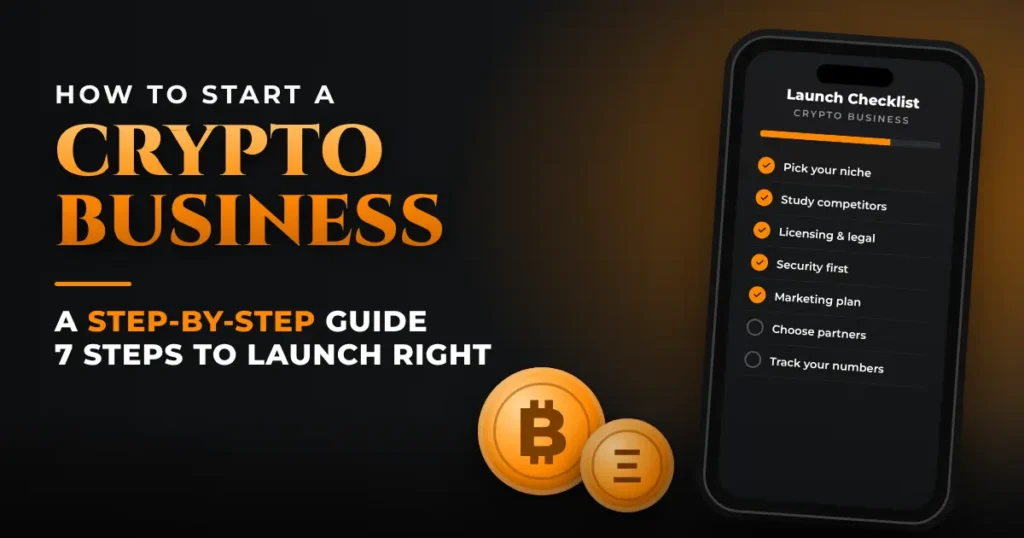
The crypto industry has matured, but getting Crypto Ads Approval in 2026 still feels like trying to thread a needle during an earthquake. One misplaced claim, an unsupported promise, or a poorly structured landing page can stop a campaign before it ever reaches its audience.
I’ve spoken with founders who spent weeks building a token launch, only to watch their ads disappear within hours. One startup from Singapore told me they had polished their website, designed stunning creatives, and allocated a five-figure advertising budget. Their campaigns were still rejected. The culprit? Tiny compliance issues hidden inside the landing page not the ads themselves.
A crypto company” doesn’t mean much. An exchange is one kind. A wallet app is another, and a smart contract shop or a DeFi protocol is something else again. Then there are consultancies and agencies that handle marketing for all of the above. Each needs its own team, its own money and its own legal advice.
My rule: if you can’t describe one real customer and the one problem you’d fix for them, hold off on building. Seriously, hold off.
Give this a week. Sign up for the five biggest players in your niche and use what they’ve built the way a customer would. Read their reviews, and pay extra attention to the one-star ones, because that’s where the complaints live. Notice which countries they serve and which they seem to avoid.
You’re after a gap. Maybe they’re slow. Maybe they charge too much, or they ignore a region you know well. If a week of digging turns up nothing, that tells you something too.
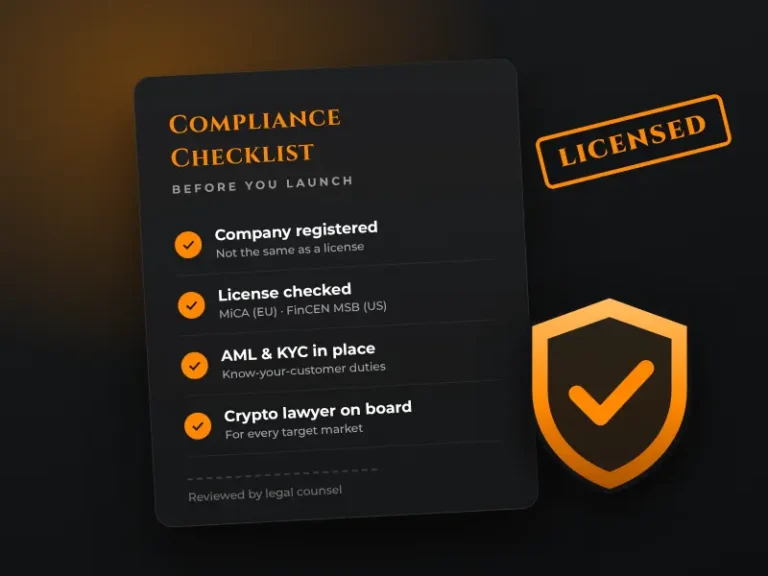
Nobody enjoys this part, and it’s the one that can shut you down. Rules depend heavily on where you operate. In the EU, there’s MiCA. In the US, you might need to register as a money services business with FinCEN, and then you’re looking at anti-money-laundering and know-your-customer duties on top. Other countries run completely different systems.
Two things to remember. Registering a company isn’t the same as being licensed to offer financial services, and people confuse the two all the time. And a lawyer who really knows crypto in your target markets will save you more than any marketing budget in year one. Find one before launch. Don’t wait for the first warning letter.
Someone probably will. Whether you’re making an exchange, a wallet or a set of smart contracts, security belongs in the first sprint, not the last. Lock down access. Test regularly. Write things down. Set up monitoring so you hear about problems before your users do. And if real money will sit in your contracts, an independent audit is worth the bill.
If the terms are new to you, Wikipedia’s pages on cryptocurrency, blockchain and smart contracts are a good place to start.

A great product nobody knows about is a hobby. Decide who you’re talking to, what you want them to remember and where you’ll meet them. Then set a budget you can live with.
Blog posts that teach something real tend to do well in crypto, since people are wary and want to learn first. A community on whichever platform your users already like helps too. So do a couple of smart partnerships and an email list that doesn’t bore people. Paid ads can work, though a lot of platforms restrict crypto, so read their rules before you plan around them.
And please, no promises of returns. Regulators notice, and so do readers.
Hardly any team can do everything alone, and you don’t need to. The right partner covers what you lack, whether that’s development, integration, licensing advice or marketing.
Treat the choice like hiring a co-founder. Ask to see work they’ve shipped that resembles yours. Ask how they handle security and who you’ll talk to week to week. Read the whole contract. When a provider says it holds some license or certification, confirm it with whoever issued it.
EnCrypto Agency is one option if you want blockchain development, technical integration and digital growth help from one team. With any firm you shortlist, check that what they advertise lines up with what they deliver.
Pick your targets before launch. Otherwise you’ll end up judging yourself by whatever happens to look good that month. Depending on the model, I’d keep an eye on qualified leads, active users, retention, adoption, development milestones and what it costs you to win a customer.
Look at them on a schedule, monthly at the least. If something drops, find out why before you throw more money at it. More often than not the problem sits in the product or the message.
Sometimes. Sometimes it loses money quickly. Demand, competition, costs, regulation and how well you run things all matter, and nothing guarantees a profit.
Exchanges, wallets, smart contracts, dApps, DeFi products, consulting and more. Choose whatever matches your skills and your market.
Often it does. It depends on what you do and where, so get advice for each market.
Know the one problem you solve. Then share useful content, communicate openly and line up a few partners people trust. Trust is most of the game in this industry.
Running a crypto business means doing market research, building carefully, taking security seriously, getting the legal side right and keeping your marketing honest. It’s not exciting work. Founders who stick with all of it, though, give themselves a real chance of lasting.
EnCrypto Agency is a Web3 and blockchain solutions provider specializing in cryptocurrency exchange and wallet development, smart contracts, dApps, DeFi solutions, crypto business licensing, and crypto ads approval. The team provides end-to-end support for startups, crypto businesses, and Web3 projects, from development and compliance to launch and growth.